Audiovisual
FKOVACEVIC MINISTRANTI
Streaming has become the dominant form of music consumption. The increased use of streaming services and user-generated content platforms came together with a tremendous growth in the film and audiovisual sectors. These industries produce a high volume of work and creative output in which musical performances are inserted. Such performances are mainly created by musicians who remain unidentified and uncredited. The key problem persists: performing musicians often receive insufficient to no financial compensation and remain uncredited. Most importantly, the borderless nature of digital platforms has globalized access to content but has not ensured equitable attribution or remuneration. Individual musicians have limited capacity to influence these systems.
Next to the remuneration- or the lack thereof- issue, performing musicians generally do not receive formal recognition or the moral rights associated with their contributions. In the current situation, the role of performing musicians and individual creators is hardly acknowledged. A considerable proportion of musicians operate under work-for-hire contracts, which typically exclude provisions for fair remuneration, ownership rights, or creative control.
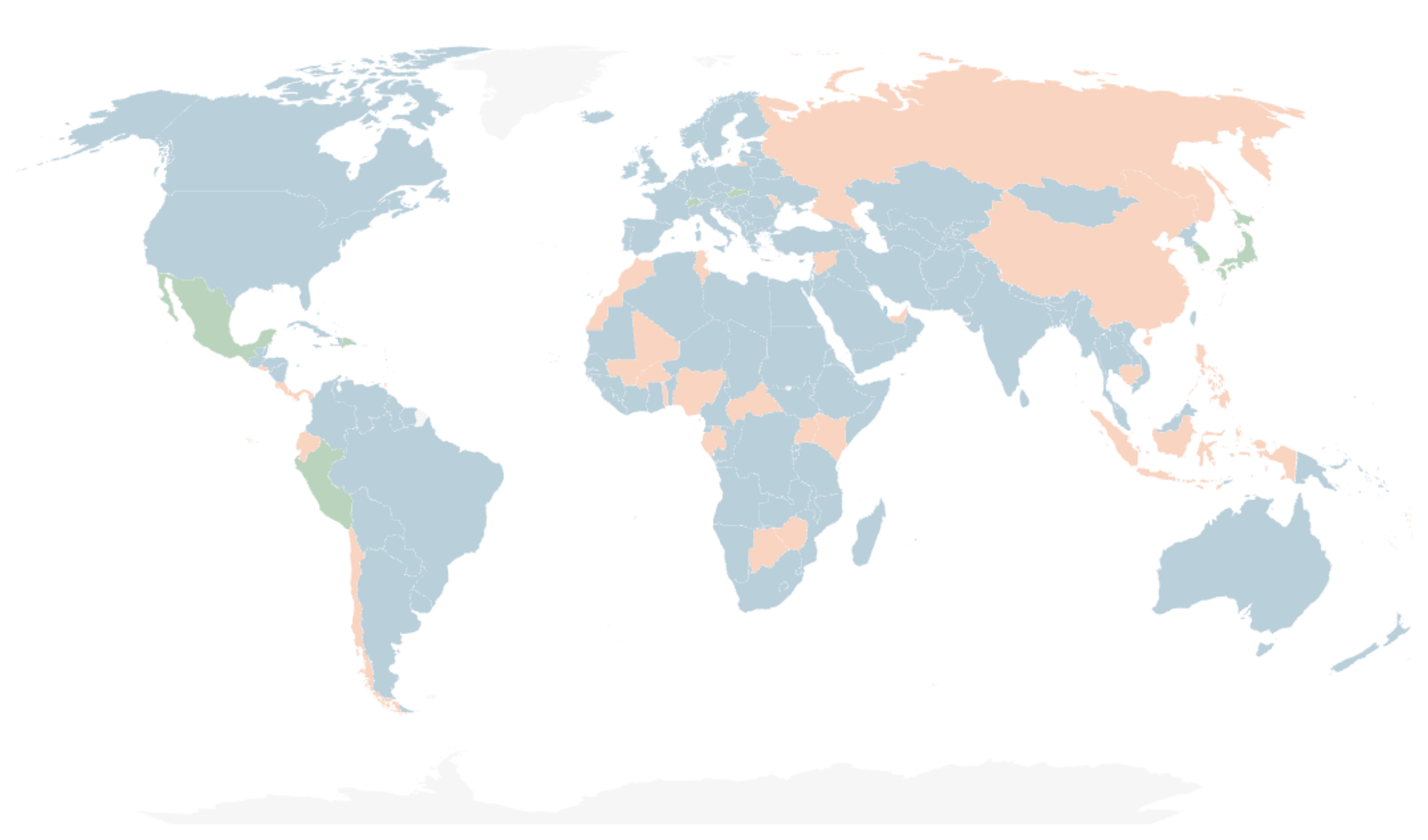
The drafting and ratifying of the 2020 Beijing Treaty on audiovisual performances (BTAP) is a step to the right direction. Yet it is not enough per se. We advocate for international cooperation, to put in place a fair yet simple and coherent global framework to grant musicians and creative artists their due. It is time to re-write this story and demand accountability from the industries which mostly profit from the work of musicians.
The Beijing Treaty